
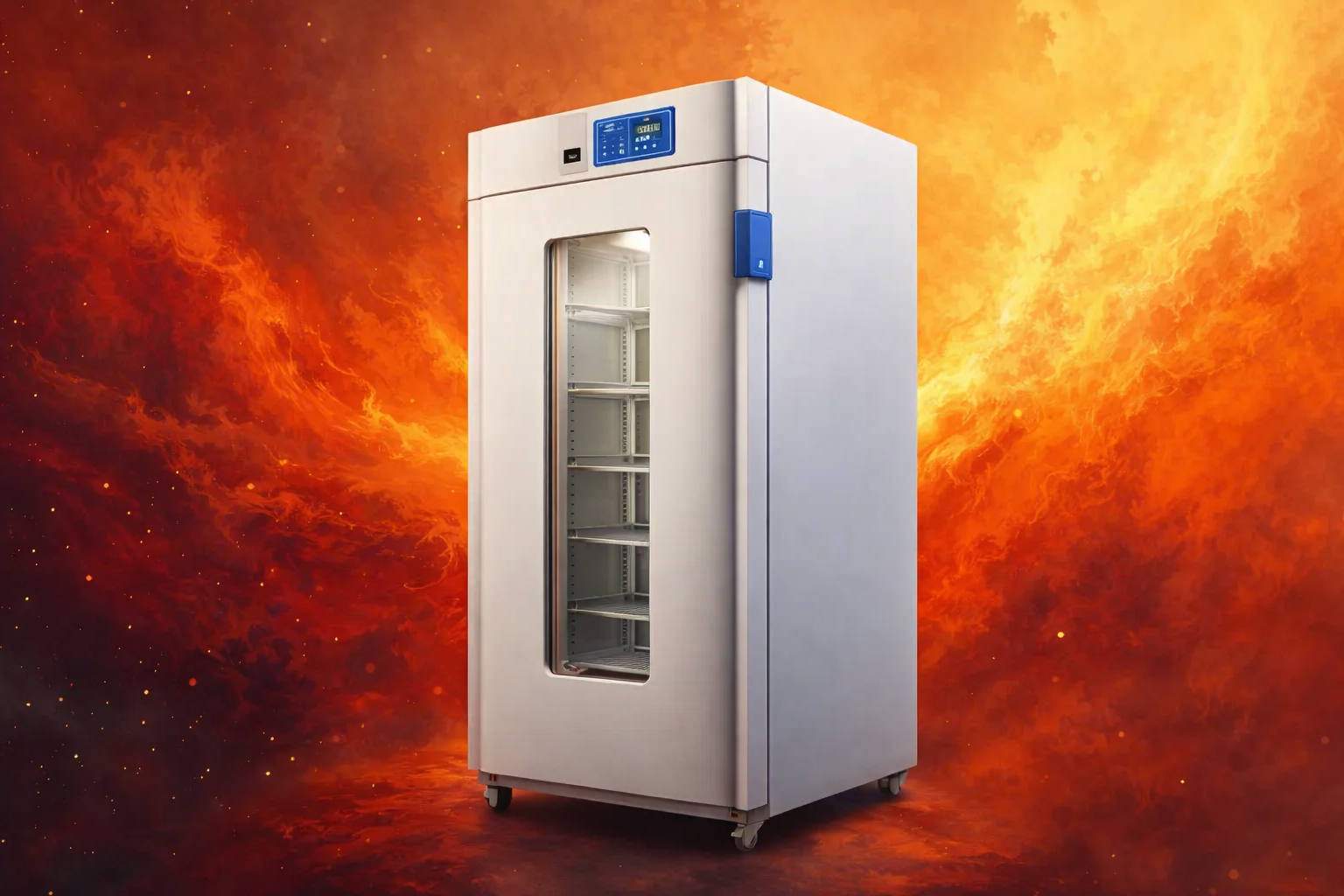
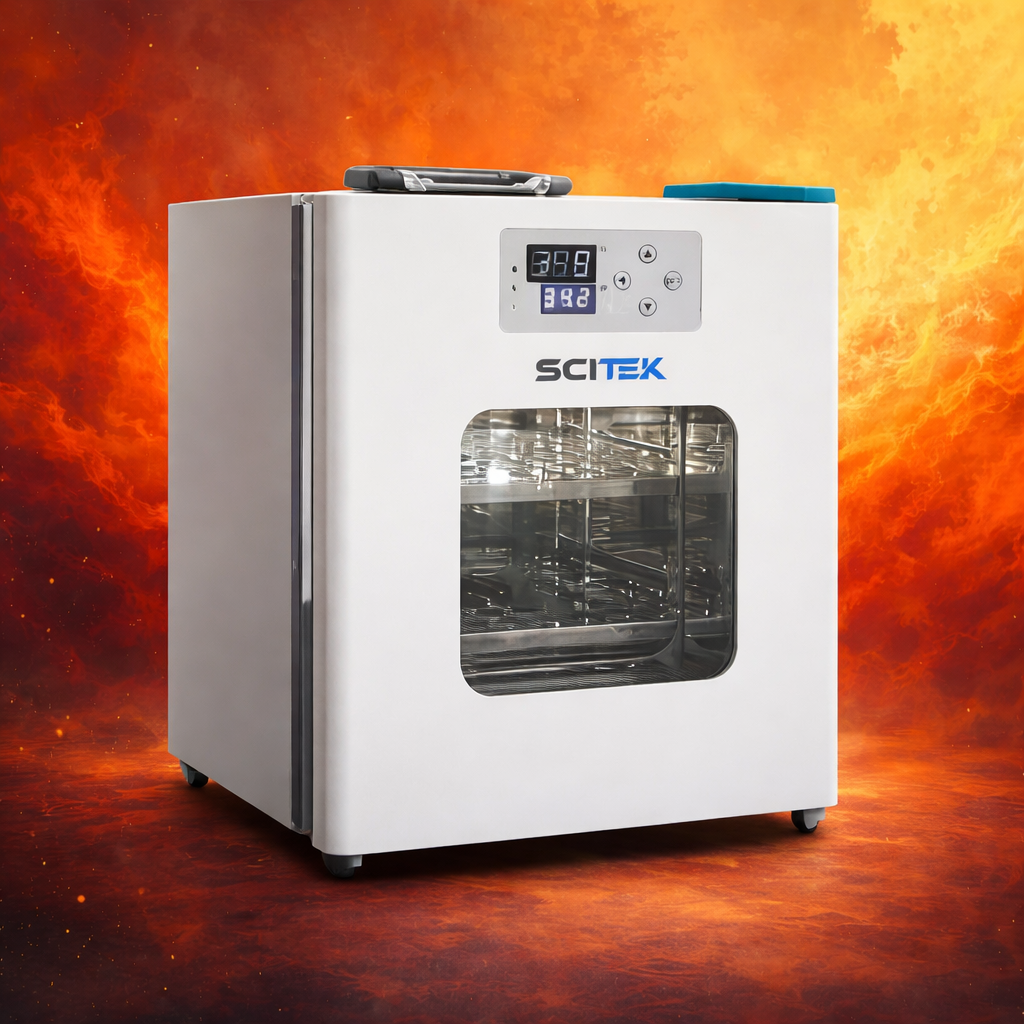
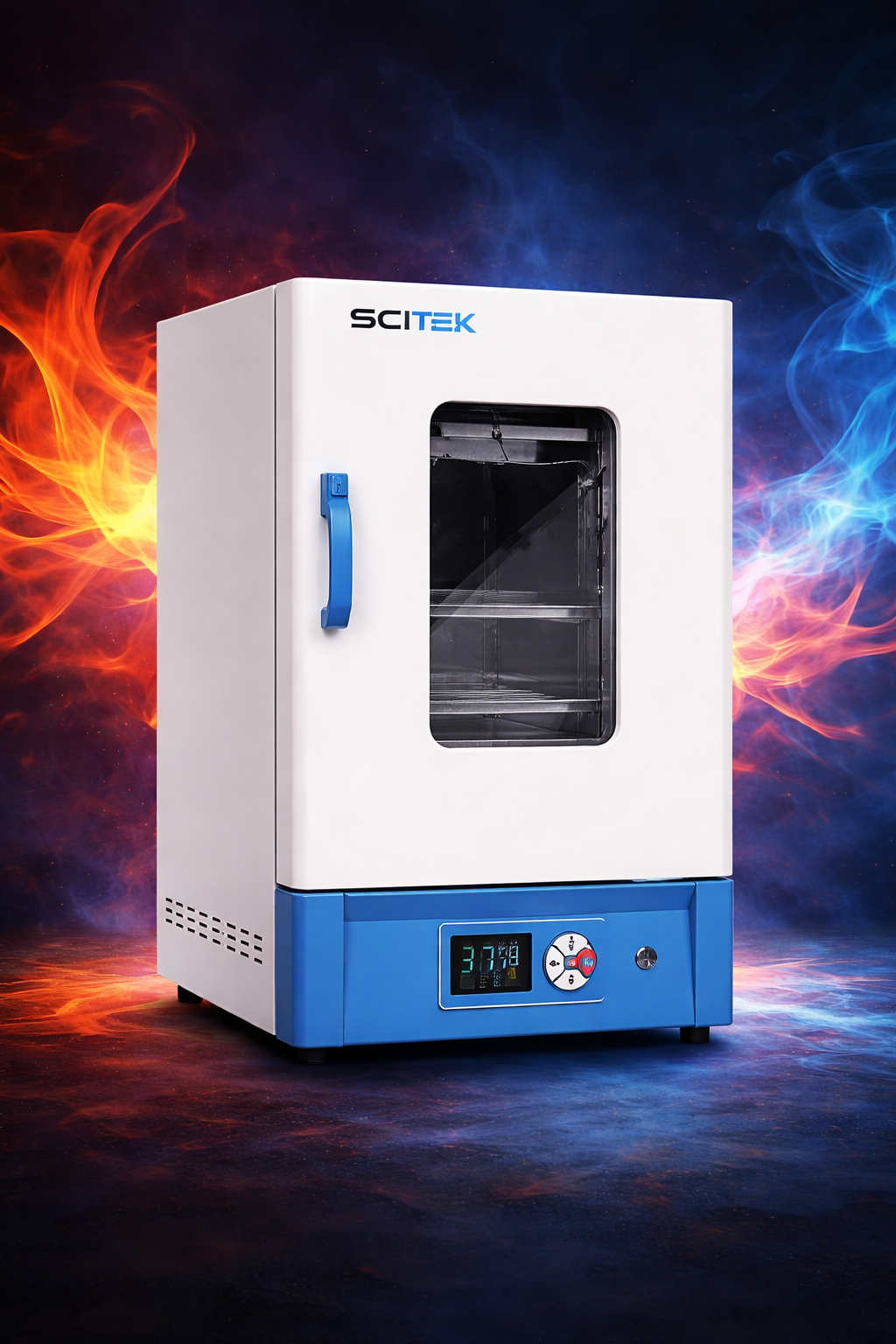
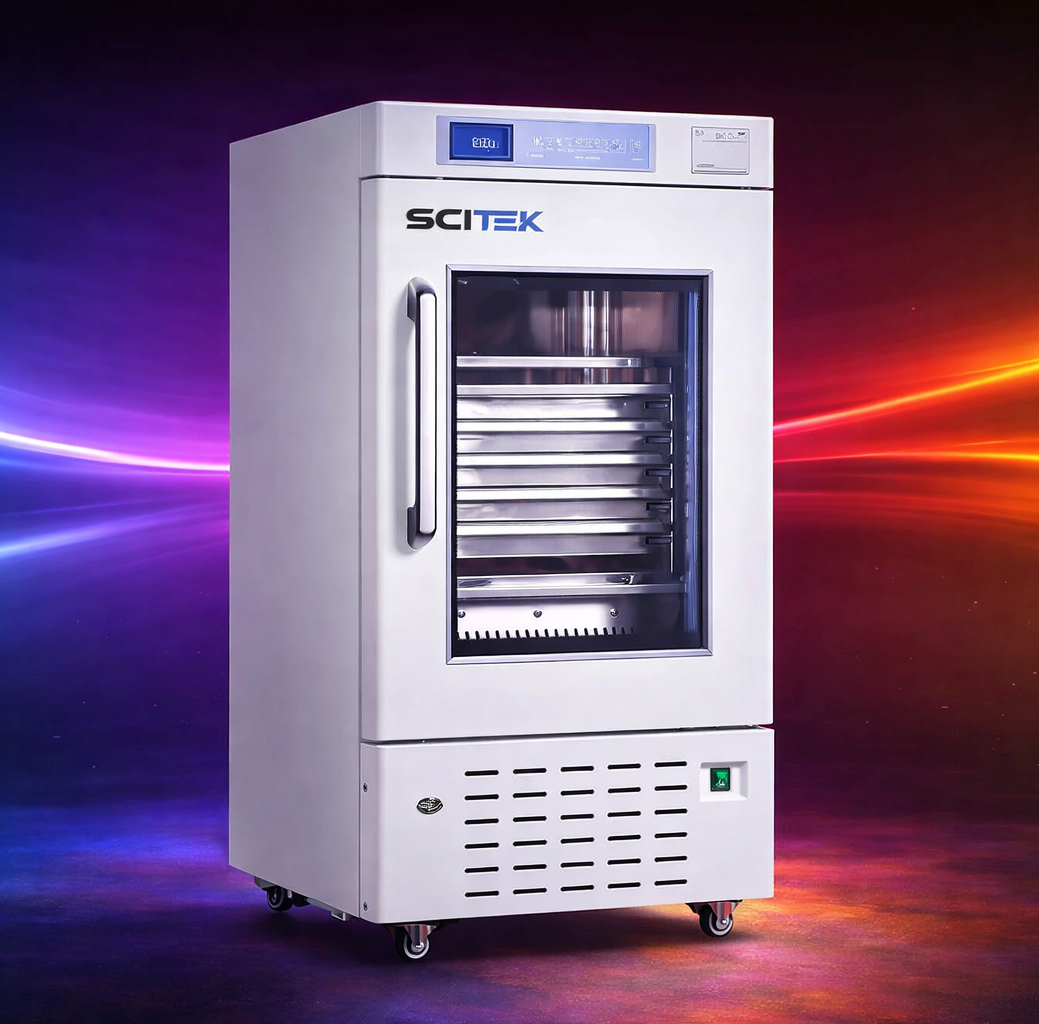

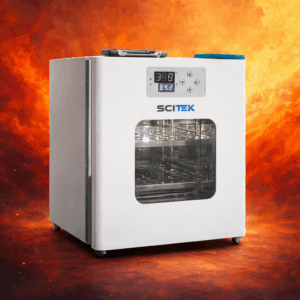
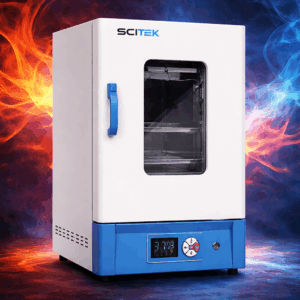
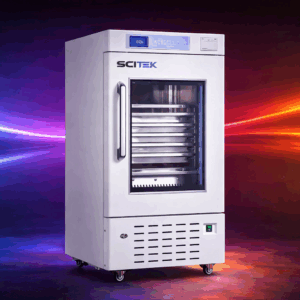
Laboratory Incubators are high-precision incubators designed to provide controlled temperature conditions for microbiology, cell culture, and research applications also used for various purposes, including the cultivation and growth of microorganisms and tissues. It provide a controlled environment, typically maintaining specific temperature, humidity, and sometimes even CO2 levels, to support optimal growth conditions for the organisms or cultures being studied.
There are different types of incubators available, depending on the specific requirements of the experiment or research being conducted. Here are a few commonly used incubators in laboratories:
- Microbiological Type: These are used to cultivate and grow bacteria, yeast, and other microorganisms. They typically provide temperature control, usually ranging from room temperature to around 60 degrees Celsius. Microbiological incubators often include features like adjustable shelves, internal lighting, and sometimes even shaking capabilities for agitation of cultures.
- CO2 type: These are specifically designed to maintain a controlled atmosphere with precise levels of carbon dioxide (CO2) for cell and tissue culture. They provide temperature control, humidity control, and regulation of CO2 levels, usually ranging from 3% to 10%, to mimic physiological conditions for cell growth.
- Shaking Type: This is a combine the features of a regular incubator with a mechanical shaking platform. They are commonly used for liquid cultures or suspensions that require agitation or mixing during incubation. These are often used in microbiology, cell biology, and biotechnology research.
- BOD Type: Biological Oxygen Demand (BOD) are used in environmental and water quality testing laboratories. They are designed to maintain specific temperature and humidity conditions for extended periods while measuring the oxygen consumption of microorganisms present in samples. BOD incubators are essential for determining the organic pollution levels in water samples.
- Infant Type: In medical and healthcare laboratories, These are used to provide a controlled environment for newborn babies who require additional support and care. This maintain stable temperature, humidity, and oxygen levels to ensure the well-being and development of premature or sick infants.
It’s important to note that different research fields and applications may have specific requirements, leading to variations in incubator designs and features. Laboratory incubators play a critical role in providing optimal growth conditions for a wide range of biological research and applications.
When considering a Incubators, it is recommended to consult the manufacturer’s documentation or reach out to us for detailed information about the available options and their suitability for your specific application.
Click the link to KNOW MORE on Incubators.



Reviews
There are no reviews yet.